
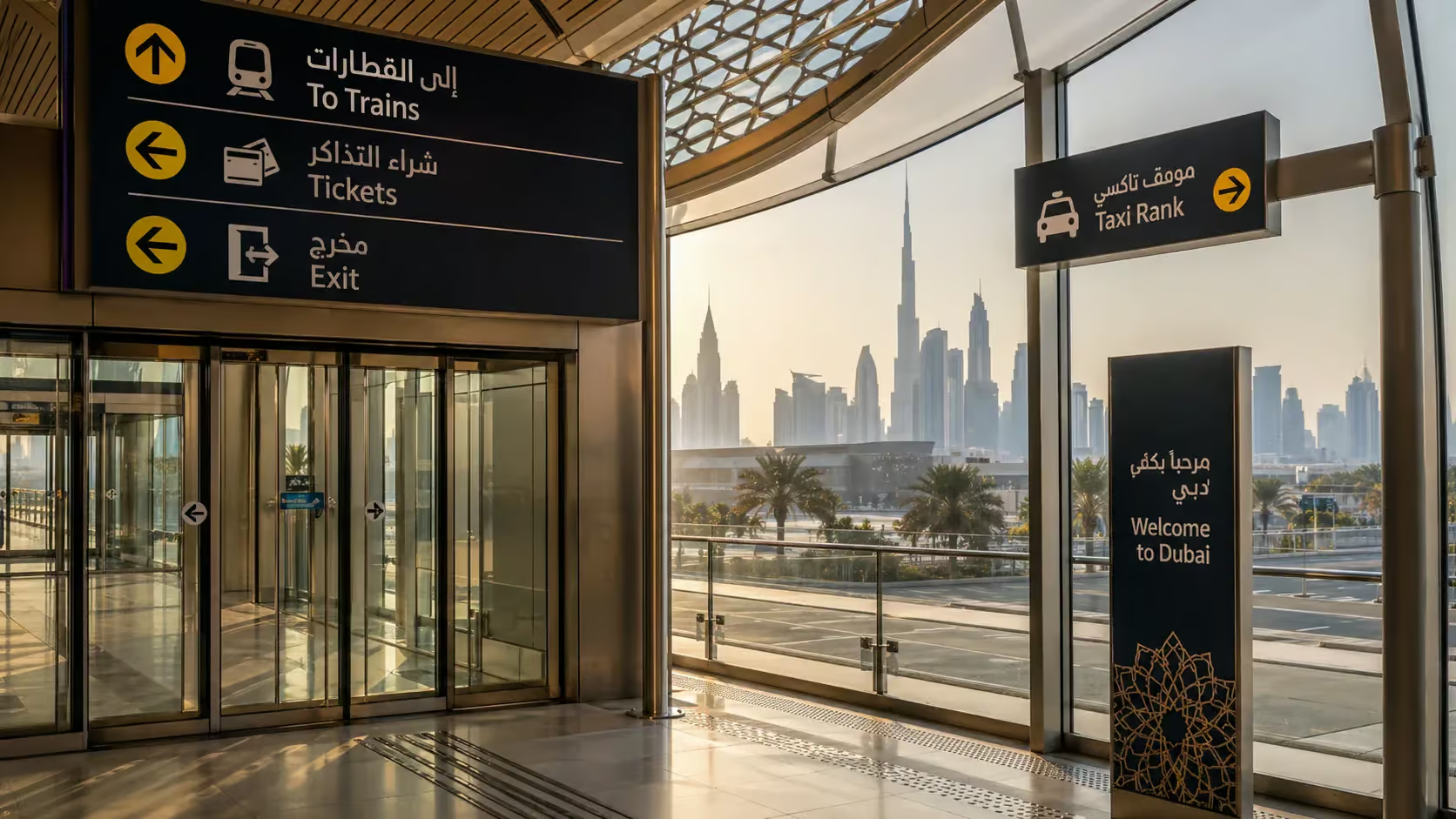
Do people speak English in Dubai? Yes. English is widely spoken across Dubai, especially in hotels, malls, restaurants, taxis, airports, hospitals and tourist areas. Arabic is the official language, but most visitors can manage a full Dubai trip using English.
That answer matters because Dubai can feel intimidating before you arrive. The signs look bilingual. The city moves fast. The mix of nationalities is huge. I would not tell a first-time visitor to worry about language, but I would tell them where English works easily and where a little preparation saves stress.
The UAE Embassy says Arabic and English are the two most widely spoken languages in the country. That matches the reality on the ground. English is the working language of much of Dubai’s visitor economy.
Here is the practical version.
| Situation | Is English Enough? | What To Do |
|---|---|---|
| Airport, hotels and malls | Yes | Use normal English. Staff expect tourists. |
| Taxis and ride-hailing | Usually | Keep the address or map pin ready. |
| Old Dubai markets | Mostly | Speak clearly and confirm prices. |
| Government services | Mixed | Use official English pages or ask for support. |
| Heritage tours | Yes, with the right guide | Book a licensed English-speaking guide. |
Why English Works So Well In Dubai
Dubai is built around international movement. People come for work, trade, study, tourism, events and family life. That mix shapes the way the city speaks.
The Dubai Department of Economy and Tourism reported 19.59 million international overnight visitors in 2025. A city receiving that many travellers cannot depend on one language at the front desk, airport counter or restaurant table.
You will see English on road signs, metro signs, menus, hotel forms, attraction tickets and shopping centre directories. Most service staff in tourist areas use English every day. Many residents also use English as the common language because their colleagues, neighbours and clients may come from different countries.
This is why Dubai is easier for English speakers than many new visitors expect. You do not need fluent Arabic to order food, check into a hotel, visit the Burj Khalifa, take the metro or ask for help at the airport.
Where English Is Usually Enough
English works best in places that serve international visitors every hour.
At Dubai International Airport, staff deal with global passengers all day. In major hotels, English is standard at reception, concierge desks, restaurants and guest services. In malls such as Dubai Mall, Mall of the Emirates and Dubai Festival City, English signs and English-speaking staff are normal.
Restaurants are also easy for English speakers. Menus are usually in English, and many booking apps operate in English. The same applies to major attractions, beach clubs, tour desks, museums, hotel spas and theme parks.
Transport is manageable too. Dubai Metro signs are bilingual. Ride-hailing apps make language less of a problem because the driver already has the destination. With taxis, I still prefer to keep the exact location open on my phone. A hotel name alone can confuse drivers when several branches have similar names.
Use the same rule I use when travelling in any busy city: give the exact pin, confirm the destination, then relax.
Where English Can Still Feel Limited
English is widely used, but it is not magic.
You may meet language gaps in older souks, small repair shops, delivery handovers, labour accommodation areas, some medical admin counters, local paperwork and low-cost services away from tourist zones. This does not mean people are being rude. It usually means English is not their strongest language.
Speak slower, not louder. Use short sentences. Show the address, order number, receipt or photo. If a price matters, type it on your phone before you agree.
I would also avoid slang with drivers, shop staff or customer service teams. Clear English works better than casual English. Say, “Please take me to this entrance,” not, “Can you drop me somewhere around here?” The first sentence can be acted on. The second leaves space for confusion.
Do You Need An English-Speaking Guide In Dubai?
You do not need a guide for every Dubai trip. You can visit malls, beaches, restaurants, museums and major attractions without one.
A guide becomes useful when you want context, not just transport. Old Dubai, Al Fahidi, the spice souk, the gold souk, Jumeirah Mosque, desert heritage experiences and food walks all become better when someone explains what you are seeing.
The Dubai Tour Guide Programme says it has trained more than 2,400 licensed guides from over 50 nationalities. That matters because a proper guide is not only a friendly person with a car. A licensed guide should understand the city, the rules, guest safety and the story behind the places you visit.
If you book a private guide, ask three direct questions before paying:
- Are you licensed to guide in Dubai?
- Will the tour be in English from start to finish?
- What is included in the price, and what must I pay separately?
The UAE Ministry of Economy also explains the national tour guide licence framework. I would use that as a reminder to choose proper operators, not random sellers in comment sections.
English For New Residents In Dubai
If you are moving to Dubai, English will help you settle quickly. You can rent a home, open many service accounts, speak with estate agents, book medical appointments, shop, use apps and attend school meetings in English.
Workplaces vary. Many private-sector offices use English as the main working language, especially in hospitality, aviation, real estate, finance, technology, retail and professional services. Arabic still matters more in government-facing roles, legal work, public-sector settings and jobs that deal closely with Emirati clients.
I would not move to Dubai expecting Arabic to be optional forever. You can live well with English, but learning basic Arabic shows respect. It also helps in small moments that shape your day: greeting a security guard, thanking a driver, reading signs, or understanding why a name is written differently across documents.
Useful Arabic Phrases For English Speakers
You do not need many phrases. Learn the ones you will use without thinking.
| English | Arabic Phrase | Simple Use |
|---|---|---|
| Hello | Marhaba | Polite greeting |
| Thank you | Shukran | Useful everywhere |
| Please | Min fadlak | Use when asking for help |
| Yes | Naam | Basic reply |
| No | La | Basic reply |
| Peace be upon you | As-salamu alaykum | Respectful greeting |
Use these lightly. Nobody expects a tourist to speak perfect Arabic. The effort is usually received well.
Practical Tips For English Speakers In Dubai
Save your hotel address in English and Arabic. Keep Google Maps or Apple Maps ready before getting into a taxi. Use official attraction websites for timings and rules. Confirm pickup points for desert tours, dhow cruises and day trips in writing.
If you need medical help, choose a hospital or clinic with a clear English appointment process. If you need government support, start with official English pages before visiting a service centre.
For planning, pair this language guide with our travel tools, this guide to exploring Dubai like a pro, and this Downtown Dubai tour guide. If you are moving rather than visiting, read our guide to living in the UAE.
Frequently Asked Questions
Can I visit Dubai if I only speak English?
Yes. Most tourists can visit Dubai with English only. Hotels, airports, malls, restaurants, attractions and tour companies use English daily.
What language do people speak in Dubai?
Arabic is the official language. English is widely spoken. You will also hear Hindi, Urdu, Malayalam, Tagalog, Russian, French and many other languages because Dubai has a large international population.
Do taxi drivers in Dubai speak English?
Many taxi drivers speak enough English for normal journeys. Keep your destination saved as a map pin, especially if you are going to a hotel, tower or entrance with a similar name.
Do I need an English-speaking tour guide in Dubai?
You only need one if you want deeper context, a private route, or help with cultural and historic areas. For simple mall and attraction visits, English signs and apps are usually enough.
Is Arabic required to live in Dubai?
No, many residents live and work in Dubai using English. Arabic still helps with respect, paperwork, government services and some client-facing roles.
The honest answer is simple. English will get you through Dubai. A little Arabic will help you meet the city with more respect.