
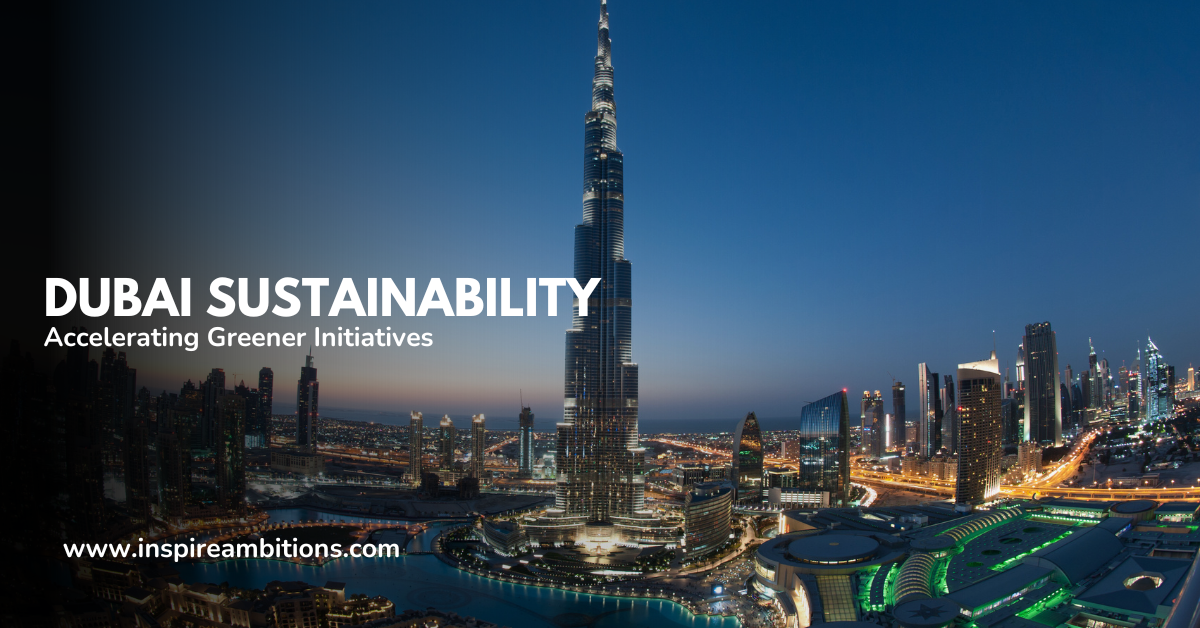
Dubai, the glittering metropolis of the United Arab Emirates, has rapidly evolved from a desert outpost into a global sustainability leader. Over the last decade, the Emirate has taken bold steps to balance growth with environmental responsibility, tackling challenges such as resource scarcity, desertification, and urban expansion.
From ambitious clean energy strategies to eco-friendly urban planning and water conservation innovations, Dubai’s sustainability drive reflects a clear goal — to create a greener, smarter, and more resilient future for generations to come.
Key Takeaways
-
Dubai’s sustainability efforts align with UAE Vision 2021 and Net Zero 2050 goals.
Recommended Reading
Want to accelerate your career? Get Kim Kiyingi’s From Campus to Career – the step-by-step guide to landing internships and building your professional path. Browse all books →
-
Key initiatives include The Sustainable City, Clean Energy Strategy 2050, and Green Economy for Sustainable Development.
-
The city focuses on clean energy, green infrastructure, waste reduction, water management, and sustainable tourism.
Sustainable Development in Dubai
Dubai’s rapid urbanisation once strained its environment, but it is now a model for sustainable urban planning. Guided by the UAE Vision 2021 and Dubai Plan 2021, the city integrates Sustainable Development Goals (SDGs) across multiple sectors.
Green Economy for Sustainable Development
Launched in 2012, this initiative aims to make Dubai a global hub for green innovation. It focuses on reducing ecological footprints, fostering renewable energy adoption, and enhancing sustainability across construction, energy, and industry.
Dubai 3D Printing Strategy
Introduced in 2016, this initiative leverages 3D printing technology to revolutionize sustainable construction, minimize waste, and reduce carbon emissions. The goal is to produce 25% of Dubai’s buildings using 3D printing by 2030.
Water Management and Conservation
Dubai invests heavily in intelligent irrigation systems, wastewater recycling, and desalination efficiency. Projects like Masdar City and Dubai Integrated Energy Strategy 2030 showcase the city’s vision of reducing fossil fuel dependency while enhancing water and energy efficiency.
Green Infrastructure: Building a Sustainable Urban Landscape
Innovative Design
Dubai integrates green architecture with technology to reduce energy and water use. Examples include vertical gardens, solar-powered buildings, and green roofs, all combating heat islands and conserving resources.
Dubai Green Building Regulations
These regulations mandate sustainability in all new construction projects.
Key features include:
-
Energy efficiency: Use of insulation, efficient HVAC systems, and solar panels.
-
Water conservation: Greywater recycling and water-efficient landscaping.
-
Waste reduction: Construction waste management and recycling targets.
Through these efforts, Dubai strengthens its position as a global hub for sustainable architecture and green living.
Dubai’s Clean Energy Vision
Clean Energy Strategy 2050
Launched by His Highness Sheikh Mohammed bin Rashid Al Maktoum, this strategy aims to produce 75% of Dubai’s total energy from clean sources by 2050.
It includes an investment of AED 600 billion to meet rising energy demands sustainably.
Key goals include:
-
Boosting solar power capacity through projects like Mohammed bin Rashid Al Maktoum Solar Park, one of the world’s largest.
-
Promoting energy efficiency across residential and industrial sectors.
-
Reducing carbon emissions and diversifying energy sources.
Renewable Energy Mix
By 2030, Dubai’s energy mix will include:
-
38% natural gas
-
12% clean coal
-
6% nuclear energy
-
A growing share of solar and renewables
This balanced approach strengthens energy security while supporting economic diversification.
Environmental Sustainability in Action
Natural Resource Conservation
Dubai leads regional conservation efforts with policies protecting marine life, desert ecosystems, and biodiversity. Projects emphasize sustainable landscaping, protected wildlife zones, and eco-restoration.
Waste Management and Recycling
Through public-private partnerships, Dubai is reducing landfill waste and promoting circular economy practices. Initiatives include e-waste recycling, waste-to-energy plants, and smart segregation systems.
Carbon Footprint Reduction
The city promotes electric vehicles, hybrid taxis, and clean public transport while encouraging building retrofits and solar adoption. These efforts align with Dubai’s goal of becoming a net-zero city by 2050.
Dubai’s Green Economy
Dubai’s Green Economy Initiative, launched in 2012, under the slogan “A Green Economy for Sustainable Development,” aims to make the city a global model for eco-conscious growth.
Green Economy Goals:
-
Zero carbon emissions by 2030
-
Enhanced renewable energy adoption
-
Growth of green finance and sustainability-driven investments
The Green Agenda 2030 attracts billions in international investments and creates new job opportunities in clean energy, waste management, and green innovation.
Social Sustainability
Dubai’s sustainability framework extends beyond the environment to include social well-being, education, and inclusivity.
-
Work-Life Balance: Companies promote employee wellness and flexible schedules.
-
Education: UAE Vision 2021 prioritizes innovation and research for sustainable progress.
-
Community Design: Projects like The Sustainable City foster eco-friendly, pedestrian-first neighborhoods promoting inclusivity and well-being.
This holistic approach ensures that sustainability benefits not only the environment but also society.
Sustainable Tourism in Dubai
Dubai’s tourism strategy embraces eco-tourism and responsible travel through initiatives like the Dubai Sustainable Tourism (DST) program.
Key Initiatives
-
“Get Into The Green Scene” campaign promotes eco-friendly activities and awareness.
-
Eco-hotels and reserves, such as Al Maha Desert Resort, prioritize environmental conservation.
-
Hatta Trails and nature-based tourism encourage sustainable outdoor recreation.
With 44% of visitors prioritizing sustainability, Dubai’s eco-tourism boom reflects the growing global demand for responsible travel experiences.
Climate Change Mitigation and Net Zero Goals
The UAE National Climate Change Plan (2017–2050) guides Dubai’s climate policies, emphasizing resilience, renewable energy, and carbon neutrality.
Key Projects
-
UAE Net Zero 2050 Initiative: The first in the MENA region to commit to carbon neutrality.
-
Mohammed bin Rashid Solar Park: Target capacity of 5,000 MW by 2030.
-
Public-private partnerships for innovation in climate adaptation and renewable investment.
These projects align with the Paris Agreement, positioning Dubai as a regional climate leader.
Sustainability Events and Initiatives
Dubai hosts several world-class sustainability events:
-
Expo 2020’s “Terra – The Sustainability Pavilion” showcased innovations in renewable energy, green architecture, and water conservation.
-
Arabian Business Sustainability Awards honor companies driving positive environmental change.
-
Youth Circles and UN Hub at Expo City Dubai encourage next-generation climate leadership and global collaboration.
These platforms amplify Dubai’s global role as a catalyst for sustainability dialogue and innovation.
Sustainable Living and Water Conservation
Dubai’s push for sustainable living includes both urban infrastructure and behavioral change.
The Sustainable City
This landmark project features net-zero energy villas, solar panels, and waste recycling systems. With over 10,000 trees and car-free zones, it embodies the city’s sustainable vision.
Water Conservation
Dubai aims to recycle 100% of its wastewater by 2030, reducing desalination dependency by 30%.
Currently, 90% of wastewater is already recycled — saving AED 2 billion annually and supporting Dubai’s green economy.
Conclusion
Dubai’s journey toward sustainability reflects visionary leadership, technological innovation, and a commitment to a greener planet. Through initiatives spanning clean energy, green infrastructure, and sustainable tourism, the city is setting a global benchmark for future-ready urban living.
As Dubai accelerates its path to Net Zero 2050, it continues to prove that rapid development and environmental stewardship can go hand in hand — shaping a cleaner, smarter, and more resilient world.